

The Diplomatic Winners & Losers of the World Cup
The 2026 FIFA Men's World Cup delivered a record-breaking tournament by almost every football metric: 48 teams, 104 matches, three host nations, attendance figures through the roof, and so much cash raised during hydration breaks. But, as is always the case with global sporting events, beneath the numbers and the results themselves is something a bit less measurable: how the participating nations came out...from a public perception standpoint. Spain leaves North America as champions on the field...but which countries notched victories — or losses — off it?
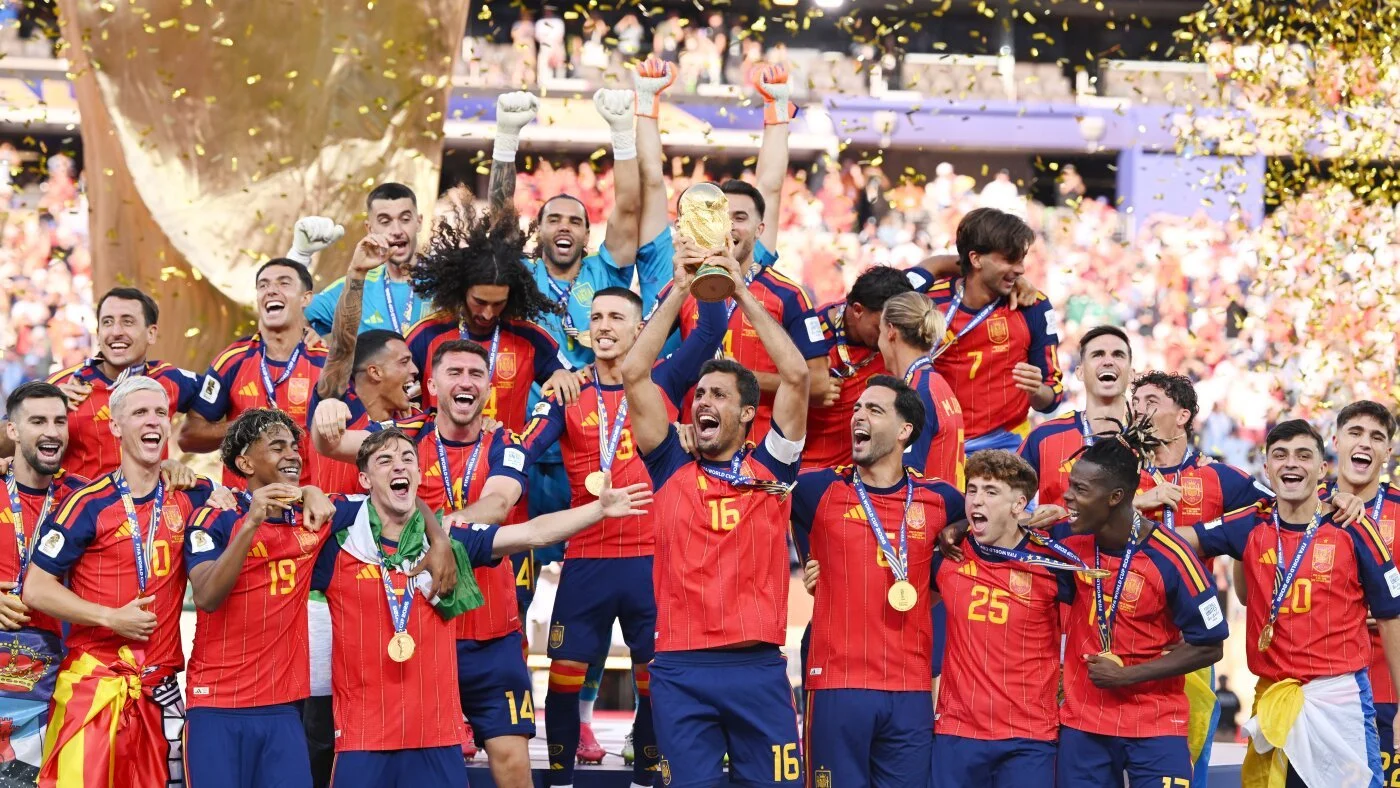
Photo Credit: NPR
A tournament like the World Cup offers a shot at sporting glory — and public glory. Cultural pride, athletic victory, and fan exchanges here can build goodwill in ways formal diplomacy can't. You don't have to be the last team remaining to be seen as heartthrobs, the "nice guys," or the nation that everyone came away feeling really good about.
At the same time, this tournament took place with quite the geopolitical background. It arrived amid U.S. immigration crackdowns, a newly created and heavily criticized "FIFA Peace Prize," military tensions involving Iran, and a host arrangement split across three countries with three very different relationships to the politics of the moment. Some nations used the tournament to bank real goodwill. Others found that hosting — or posting — came with costs they didn't anticipate.
Here's our take on how the diplomacy scoreboard wound up:
The Winners
Honorable Mentions: Cabo Verde won the hearts of fans for being the ultimate underdog story — while Scotland surely increased their tourism appeal thanks to chummy fans drinking Sam Adams out of beer; taking over MLB games; and cleaning up after themselves. Both prove that showing up with pure enthusiasm, zero entitlement, and a lot of lovability is its own kind of diplomatic W. But in our eyes, the real victors of this World Cup were:
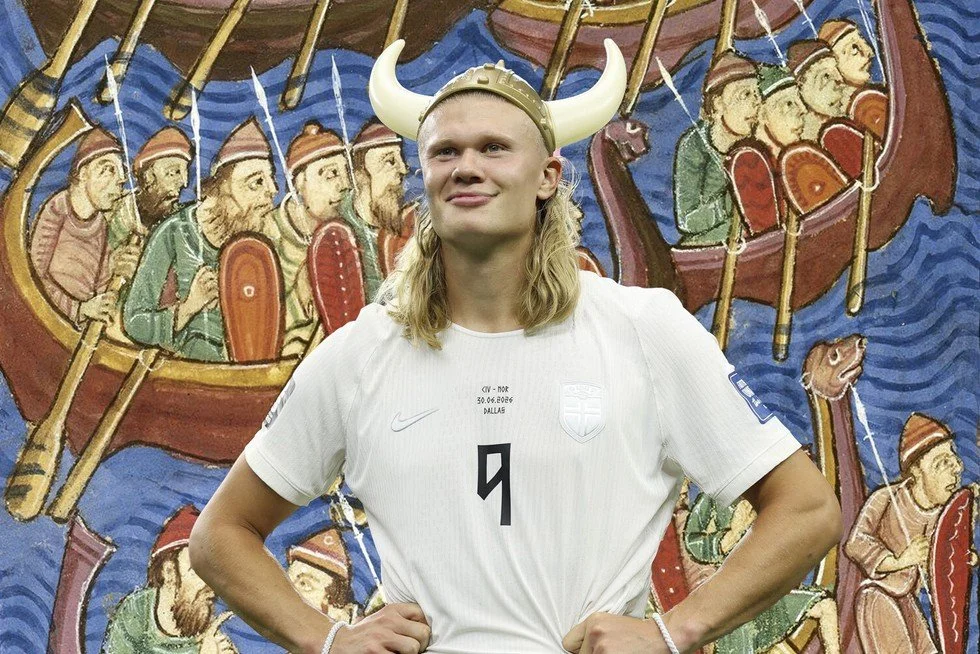
Photo credit: History Extra
Norway
No country converted a football surprise into pure goodwill more efficiently than Norway. Making just its fourth World Cup appearance — and its first since 1998 — Norway rode a golden generation led by Erling Haaland to its deepest run in its history, reaching the quarterfinals. But the bigger diplomatic win was the nation's reception. Norway's "Viking Row" celebration, with players leading fans in a synchronized chant and motion after wins, spread from stadium concourses to Times Square to living rooms with no connection to Norway at all. American audiences, having lost their own team in the Round of 16, effectively adopted Norway as a substitute rooting interest. Erling Haaland rivaled David Beckham for media and commercial appearances, helped by a general goofy and likable nature that was reinforced by genuine actions (including sending a signed jersey to grieving parents who'd lost their son). It's the cleanest kind of soft-power win there is: no controversy, no political maneuvering, just a country and its star being genuinely well liked on a stage watched by billions.
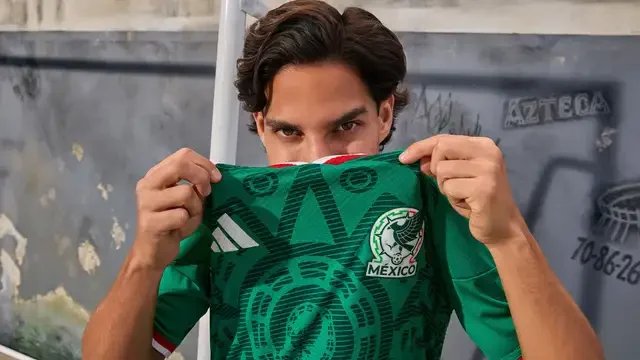
Photo credit: Goal
Mexico
Hosting a World Cup is expensive, disruptive, and politically risky...and yet Mexico turned it into a soft-power win. Now the first nation to host three men's World Cups, Mexico leaned into hospitality as its core message, and the contrast with its northern co-host did the rest of the work. When the Iranian national team found its access to the United States restricted by visa denials and travel limits — forcing the squad to relocate its base of operations — Mexico is where it landed, and where it received an unexpectedly warm welcome from fans and officials alike. Mexico didn't have to say a word to make its point; it just had to be the place a team could land when the room next door got smaller. Record attendance figures didn't hurt either, nor did the general lore of the fading Estadio Azteca — which left many wondering why the final wasn't played here.
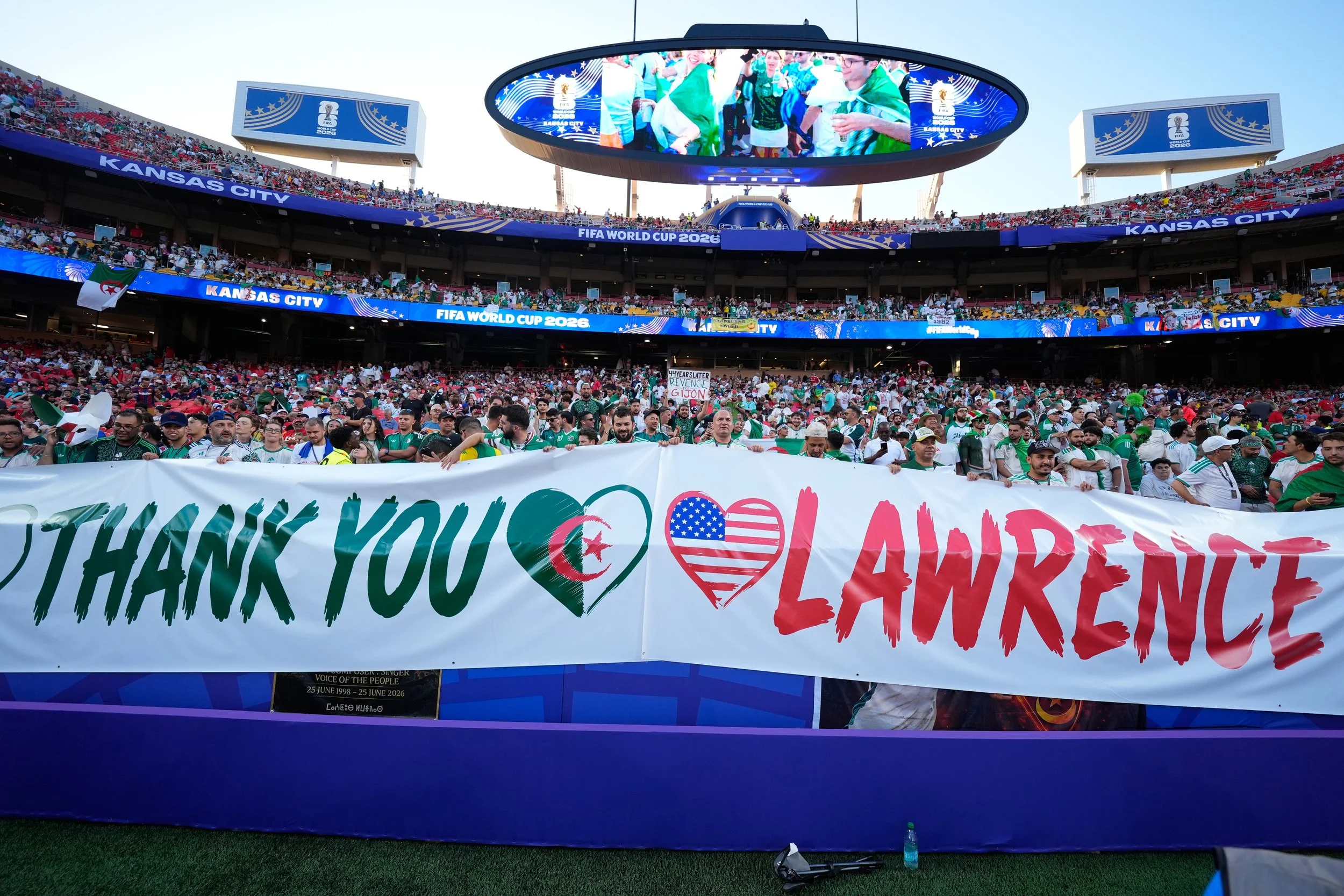
Photo Credit: KCUR
The United States
Wait what? This is the counterintuitive one, and it's worth sitting with. The United States — who you'll hear more from in just a second — was the biggest diplomatic flashpoint of the entire World Cup. But in the face of it all, the citizens of the United States really came out well here. Lawrence, Kansas — base camp of the Algerian team — became temporary Algerians, with flags raised by locals (or landscaped into the ground) and Algerian fans returning the favor with a banner of gratitude in their final group stage match. A German fan, traveling solo, chatted up Pennsylvania Governor Josh Shapiro and swapped stories about soccer fandom and Pennsylvania history. Everyone discovered the joy of vintage Americana institutions like Costco. The point is: When it comes down to the people-to-people interactions of the World Cup, Americans were able to put a lot of their political headlines and labels aside and show the world that we can be kind, interested, and welcoming. From a visitor's standpoint, the general sentiment that emerged was, in effect: “Crossing the border was stressful...but once I did, everyone I met here was welcoming.” Problem is, it's not just the citizens who represent the USA.
The Losers
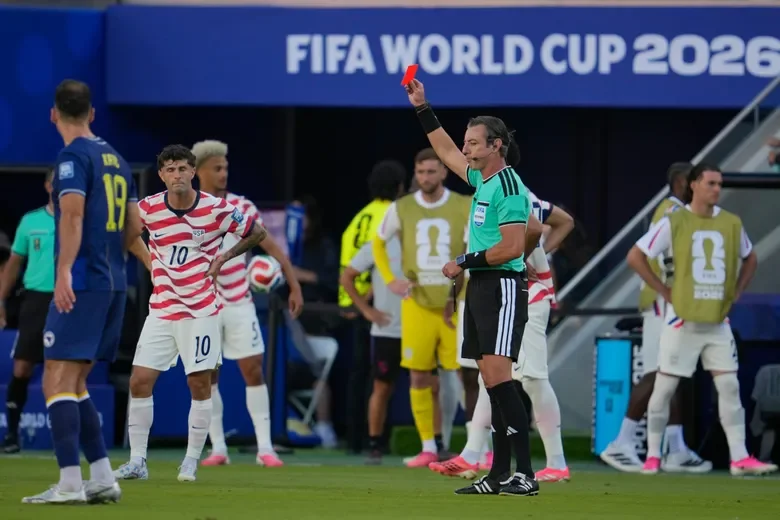
Photo Credit: Seattle Times
The United States
Overshadowing any of America's public goodwill was the red card/phone call incident. The U.S. got the marquee hosting prize — the most matches in the tournament, the final, and everything timed to land alongside the country's 250th anniversary. It's exactly the kind of platform sports diplomacy is built for: a chance to project openness and hospitality to a global audience of billions. But instead, what everyone will remember about America's participation in this tournament is the reversal of the red card for Folarin Balogun, which emerged seemingly at the request of the President Trump via a phone call to FIFA President Gianni Infantino...raising questions about favoritism — exactly the type of diplomatic involvement in sports you don't want to be defined by. The rest of the globe (which, as just covered, had been looking on with an air of "wow, America can actually be pretty nice!") turned on a dime and fell back to: "welp, they did that thing they do and lawyered up when something didn't go their way." It was a tough look for the U.S. (as was the ensuing demolition at the hands of Belgium). Oh — and there were ever-present questions regarding the fairness of treatment of the Iranian men's national team, while a FIFA referee from Somalia was denied entry to the country...and yet Thomas Partey — who was barred from Canada given that he awaits trial for sexual assault — was allowed in.
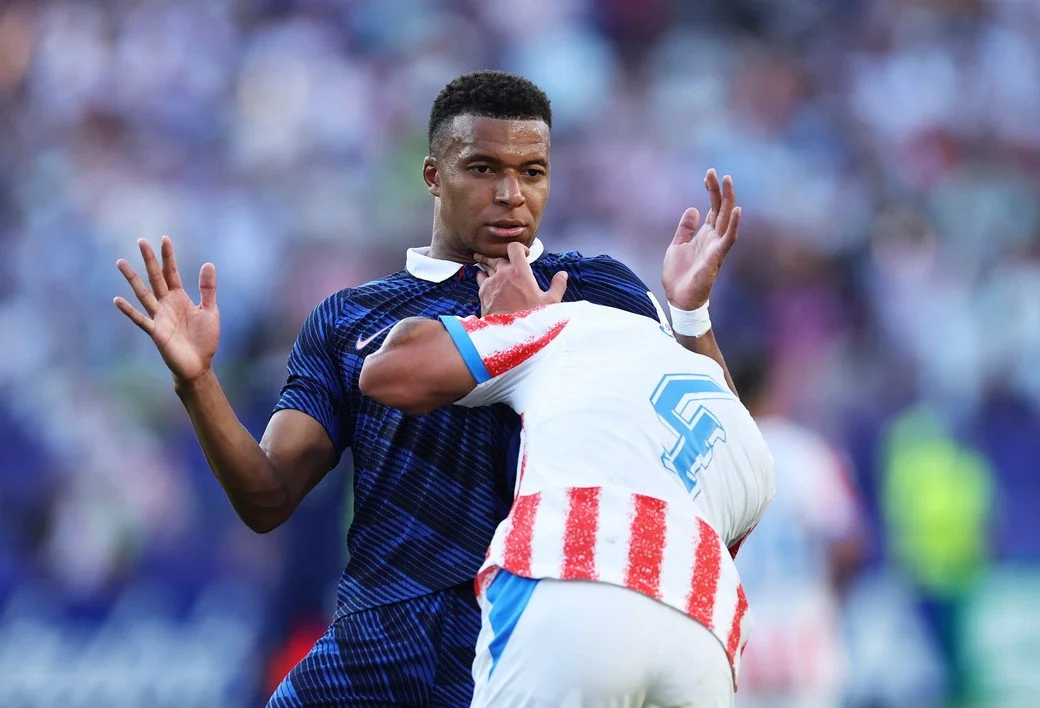
Photo Credit: POLITICO
Paraguay
Paraguay's players seemed to earn real credit for their run to the Round of 16 — the country's best World Cup showing in years — defeating powerhouse Germany along the way. But it all unraveled in their subsequent match against France, when effectively the entire team embraced the role of villains, trying to muddy up the game with tackles, flopping, and generally unsavory antics. Any remaining goodwill was then erased by a social media post from a sitting senator. After France eliminated Paraguay on a Mbappé penalty, Senator Celeste Amarilla published a racist tirade against the French captain, mocking his Cameroonian heritage and his upbringing. Mbappé fired back directly, calling her comments unworthy of her office; the French Football Federation announced plans to pursue a criminal complaint; and President Macron himself weighed in publicly in Mbappé's defense. Paraguay's own Senate leadership tried to contain the damage, insisting the remarks didn't reflect the country's values — but the episode had already gone global, and a second senator's follow-on comments about the incident kept it alive for days. It's a reminder that in the social media era, a single elected official can do more damage to a country's international image in one post (or phone call, depending on which country you're talking about).
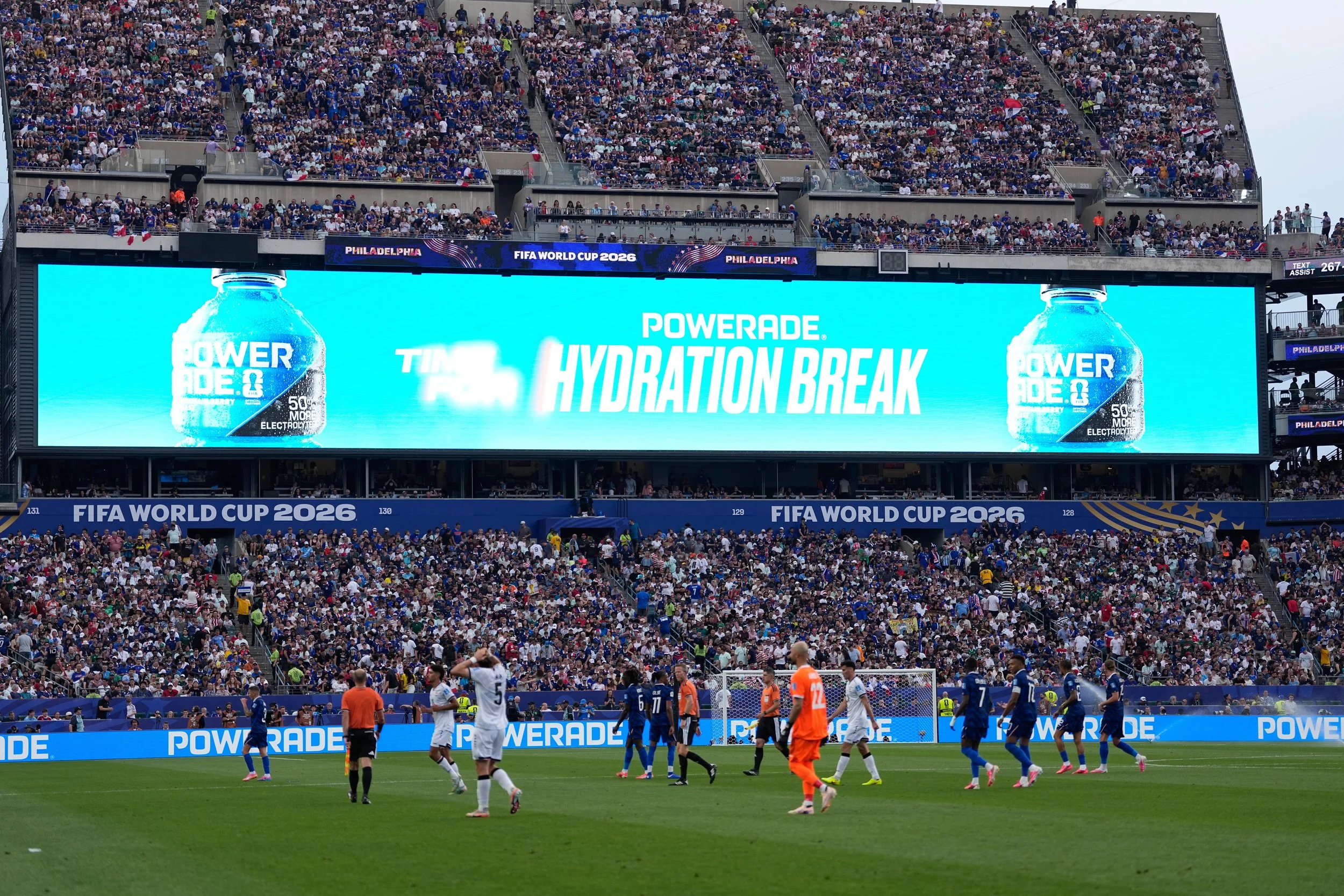
Photo Credit: WSLS
FIFA
Gosh, it just can't stay away from itself, can it? FIFA isn't a nation, but it's still the governing body of the world's game — and perhaps the least liked institution of any listed here. While it must be said that the tournament, logistically, went very well — minimal security issues, good pitches, weather contingency plans, etc — from a fan's perspective, it wasn't all that...well, fan-friendly. Ticket prices were the big headline starting way, way before the tournament, boxing out many locals from getting to see the tournament even in their hometown — and costing traveling fans their life savings just to get inside the stadium for a group match. Hydration breaks seemed to tick the box from a health standpoint given the heat of some matches...but now that FIFA has seen the dollar signs from the ad revenue generated during those little pauses, they're surely going to stay even when heat isn't a factor (four-quarter soccer, here we come). And reversing a red card at the request of a host nation? Hm.
In the end, no country fully controls its own World Cup story — it’s a combination of fans, players, and politicians. But now that the confetti has settled and the torch is passed to Spain/Portugal/Morocco, some lessons can be learned about general dos and don'ts of how to — and not to — represent your nation when the world is looking on.
