

Could Team USA’s WBC Loss to Italy Actually Be Good?
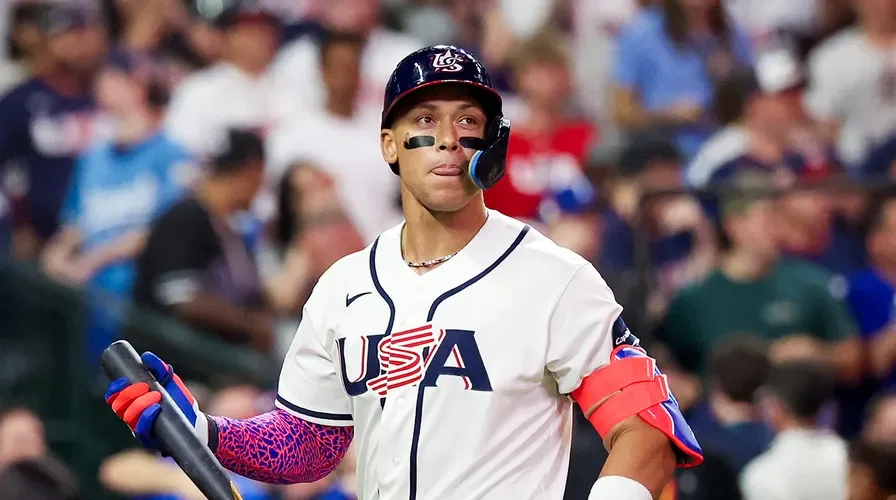
Aaron Judge grimaces after striking out to end the game. (Photo: FOX News)
Let's be upfront: Team USA should not be losing to Team Italy in baseball. The sport is, after all, what Americans proudly call their "Pastime." The USA developed it, refined it, exported it — and is expected to dominate it. On paper, the idea that Italy could take down America in the World Baseball Classic is a major L.
But now let's zoom out for a moment. There is a world in which this shocking loss has an unexpected upside.
Major upsets have a strange power in sports. They generate emotion in people who otherwise wouldn't care — and in doing so, draw attention where interest was previously thin. Think back to the famous moment when the United States men's soccer team shocked England at the 1950 FIFA World Cup. In Britain, that loss is known as something to forget. In America, it's known as the "Miracle on Grass." Most importantly, it sparked an interest in soccer. At the time, the sport barely registered in the American lexicon — but that unlikely victory planted a seed and prompted more Americans to consider that the global game might be something to pay attention to. A few generations later, and just about every American kid grows up playing youth soccer.
Could a similar phenomenon now happen in Italy — but with baseball?
There's a very good chance that little, if any, of Italy tuned into the game last night. Baseball simply isn't a popular sport there, and admittedly, most of the nation's WBC roster are actually Americans with Italian ancestry. (Shoutout Michael Lorenzen, Dom Canzone, and Vinny Pasquantino.) But nevertheless, they wear Italian colors. Italia is spelled across their jerseys. They celebrate home runs with shots of espresso. And their victory brought something priceless: visibility.
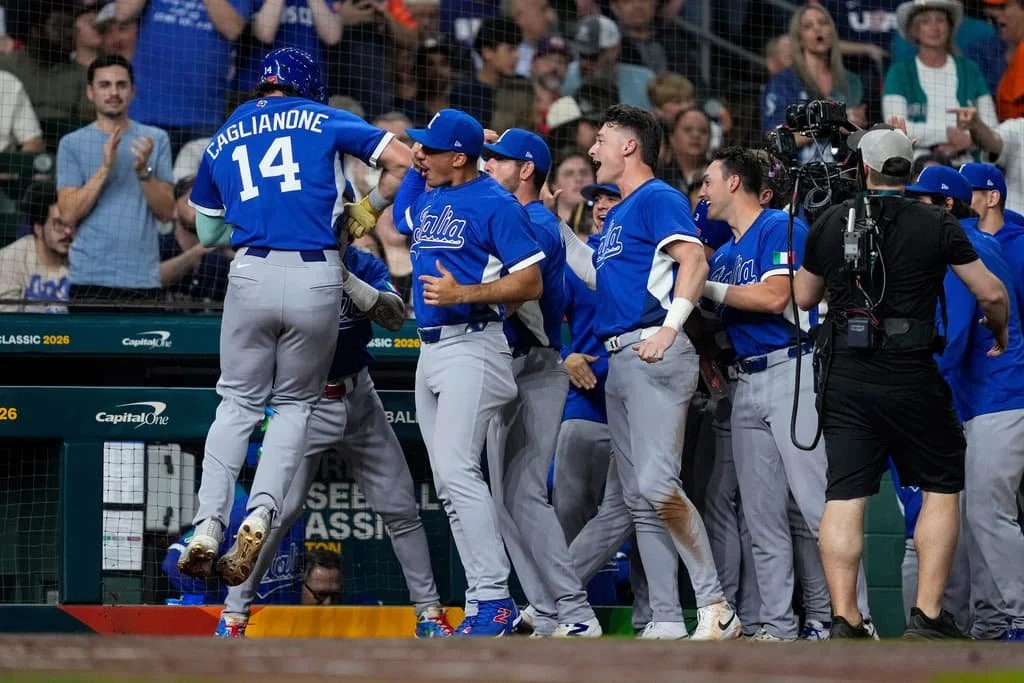
Team Italy celebrates after hitting a home run. (Photo Credit: World Baseball Network)
Suddenly, fans back in Italy who might never have cared about the WBC—or baseball in general—are now seeing headlines about a stunning upset by their team. It won't receive anywhere near the level of coverage as the next Serie A match, but it will nevertheless be in papers, circulate on social media, and get a few mentions on talk shows. That exposure will reach families, sports fans, and — perhaps most importantly — kids.
Somewhere in Italy today, a young sports fan may have seen the scoreline and thought: Wait, Italy plays baseball? That's a small realization that could be powerful. Maybe they stay up to tune in to Italy's next game (or games, if their current success continues). Maybe the next time they head outside with friends, they bring along a bat instead of yet another soccer ball. Maybe the Italian Baseball Softball Federation — led by the national team's coach, Francisco Cervelli — gets a few more clicks, and a local youth team gets a few more sign-ups.
Ironically, the long-term ripple effect could wind up benefiting the United States. Because as baseball spreads, so too does the cultural influence that surrounds it. The more people in countries like Italy who watch — if not play — the sport, the more people who learn about Major League Baseball, its iconic players, its classic teams, and absorb the pieces of American identity tied to the game. It’s a perfect moment for cultural exchange through sports...an indirect moment of sports diplomacy at hand.
That's the type of grassroots evangelism that global tournaments like the World Baseball Classic are designed to create. The goal is to pit the world's best against each other, yes, but also to spread the great game of baseball around the world.
So yes, losing to Italy stings. But if that defeat inspires a wave of new Italian interest in the game, the L might end up being a W down the road.
