

The Diplomatic Winners & Losers of the World Cup
Spain leaves North America as champions on the field...but which countries notched victories — or losses — off it?
The 2026 FIFA Men's World Cup delivered a record-breaking tournament by almost every football metric: 48 teams, 104 matches, three host nations, attendance figures through the roof, and so much cash raised during hydration breaks. But, as is always the case with global sporting events, beneath the numbers and the results themselves is something a bit less measurable: how the participating nations came out...from a public perception standpoint. Spain leaves North America as champions on the field...but which countries notched victories — or losses — off it?
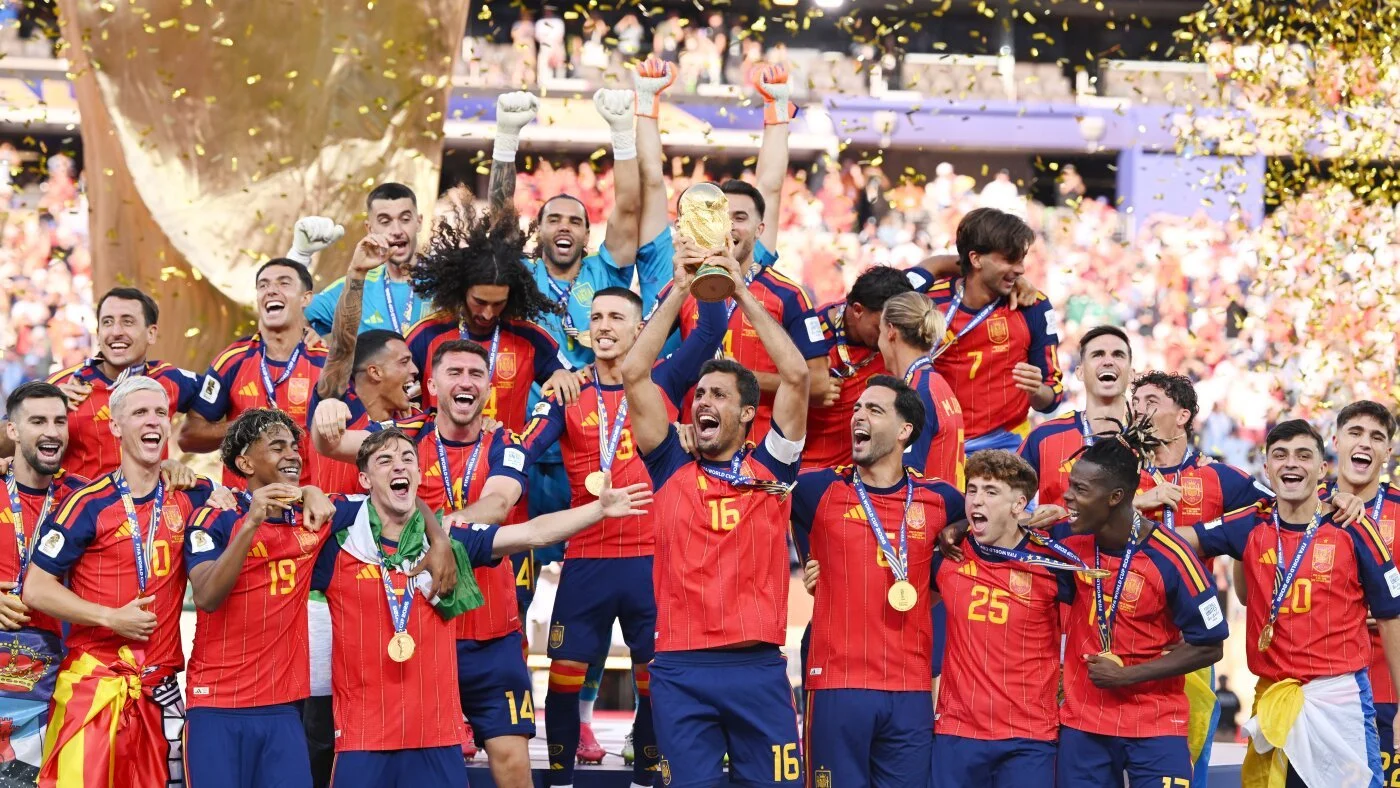
Photo Credit: NPR
A tournament like the World Cup offers a shot at sporting glory — and public glory. Cultural pride, athletic victory, and fan exchanges here can build goodwill in ways formal diplomacy can't. You don't have to be the last team remaining to be seen as heartthrobs, the "nice guys," or the nation that everyone came away feeling really good about.
At the same time, this tournament took place with quite the geopolitical background. It arrived amid U.S. immigration crackdowns, a newly created and heavily criticized "FIFA Peace Prize," military tensions involving Iran, and a host arrangement split across three countries with three very different relationships to the politics of the moment. Some nations used the tournament to bank real goodwill. Others found that hosting — or posting — came with costs they didn't anticipate.
Here's our take on how the diplomacy scoreboard wound up:
The Winners
Honorable Mentions: Cabo Verde won the hearts of fans for being the ultimate underdog story — while Scotland surely increased their tourism appeal thanks to chummy fans drinking Sam Adams out of beer; taking over MLB games; and cleaning up after themselves. Both prove that showing up with pure enthusiasm, zero entitlement, and a lot of lovability is its own kind of diplomatic W. But in our eyes, the real victors of this World Cup were:
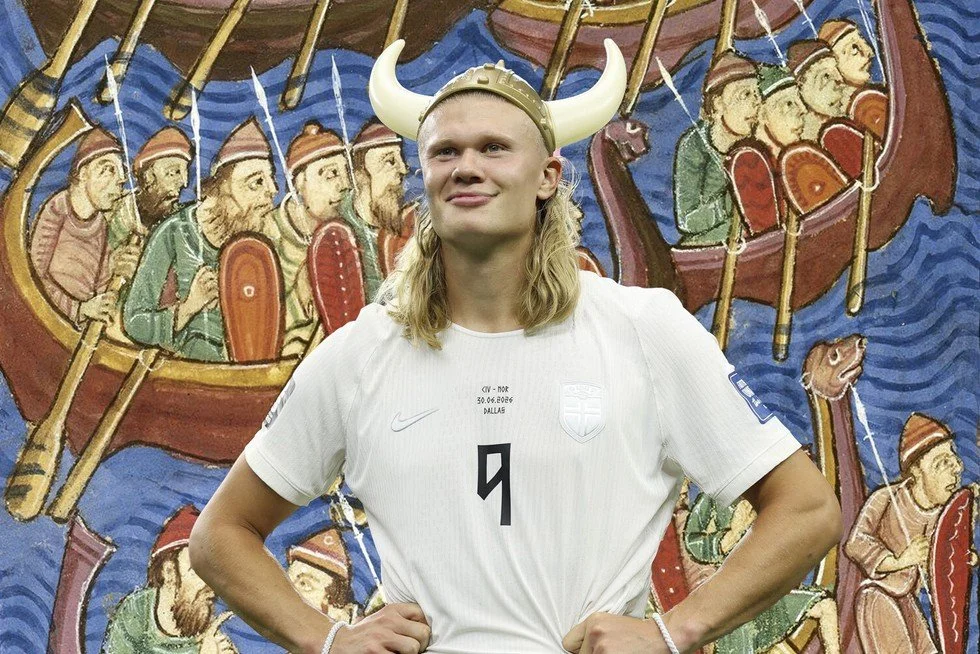
Photo credit: History Extra
Norway
No country converted a football surprise into pure goodwill more efficiently than Norway. Making just its fourth World Cup appearance — and its first since 1998 — Norway rode a golden generation led by Erling Haaland to its deepest run in its history, reaching the quarterfinals. But the bigger diplomatic win was the nation's reception. Norway's "Viking Row" celebration, with players leading fans in a synchronized chant and motion after wins, spread from stadium concourses to Times Square to living rooms with no connection to Norway at all. American audiences, having lost their own team in the Round of 16, effectively adopted Norway as a substitute rooting interest. Erling Haaland rivaled David Beckham for media and commercial appearances, helped by a general goofy and likable nature that was reinforced by genuine actions (including sending a signed jersey to grieving parents who'd lost their son). It's the cleanest kind of soft-power win there is: no controversy, no political maneuvering, just a country and its star being genuinely well liked on a stage watched by billions.
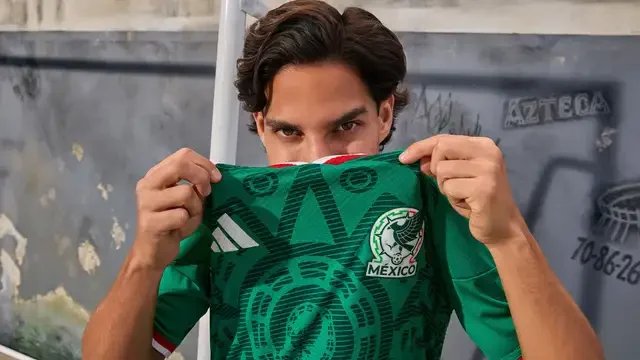
Photo credit: Goal
Mexico
Hosting a World Cup is expensive, disruptive, and politically risky...and yet Mexico turned it into a soft-power win. Now the first nation to host three men's World Cups, Mexico leaned into hospitality as its core message, and the contrast with its northern co-host did the rest of the work. When the Iranian national team found its access to the United States restricted by visa denials and travel limits — forcing the squad to relocate its base of operations — Mexico is where it landed, and where it received an unexpectedly warm welcome from fans and officials alike. Mexico didn't have to say a word to make its point; it just had to be the place a team could land when the room next door got smaller. Record attendance figures didn't hurt either, nor did the general lore of the fading Estadio Azteca — which left many wondering why the final wasn't played here.
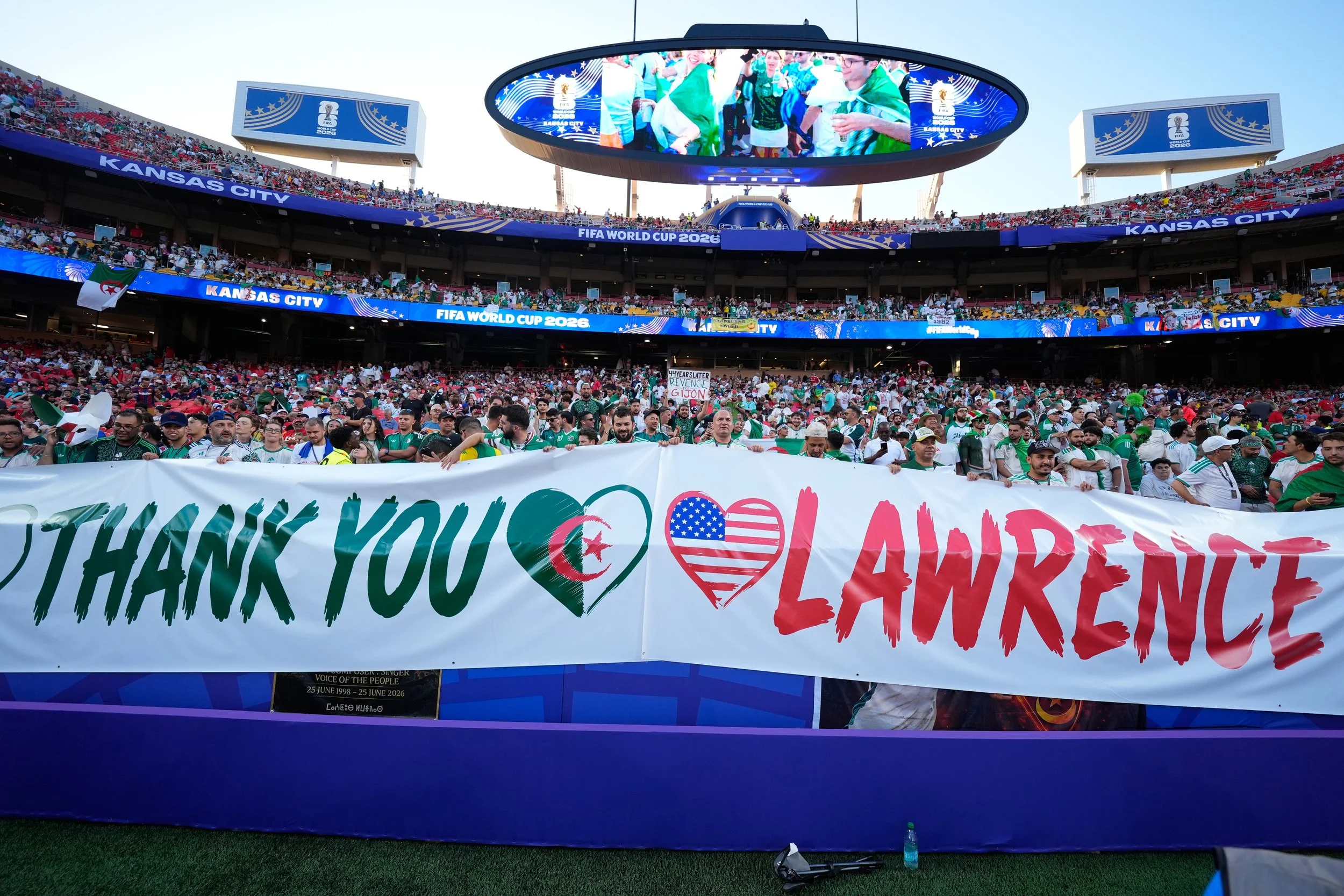
Photo Credit: KCUR
The United States
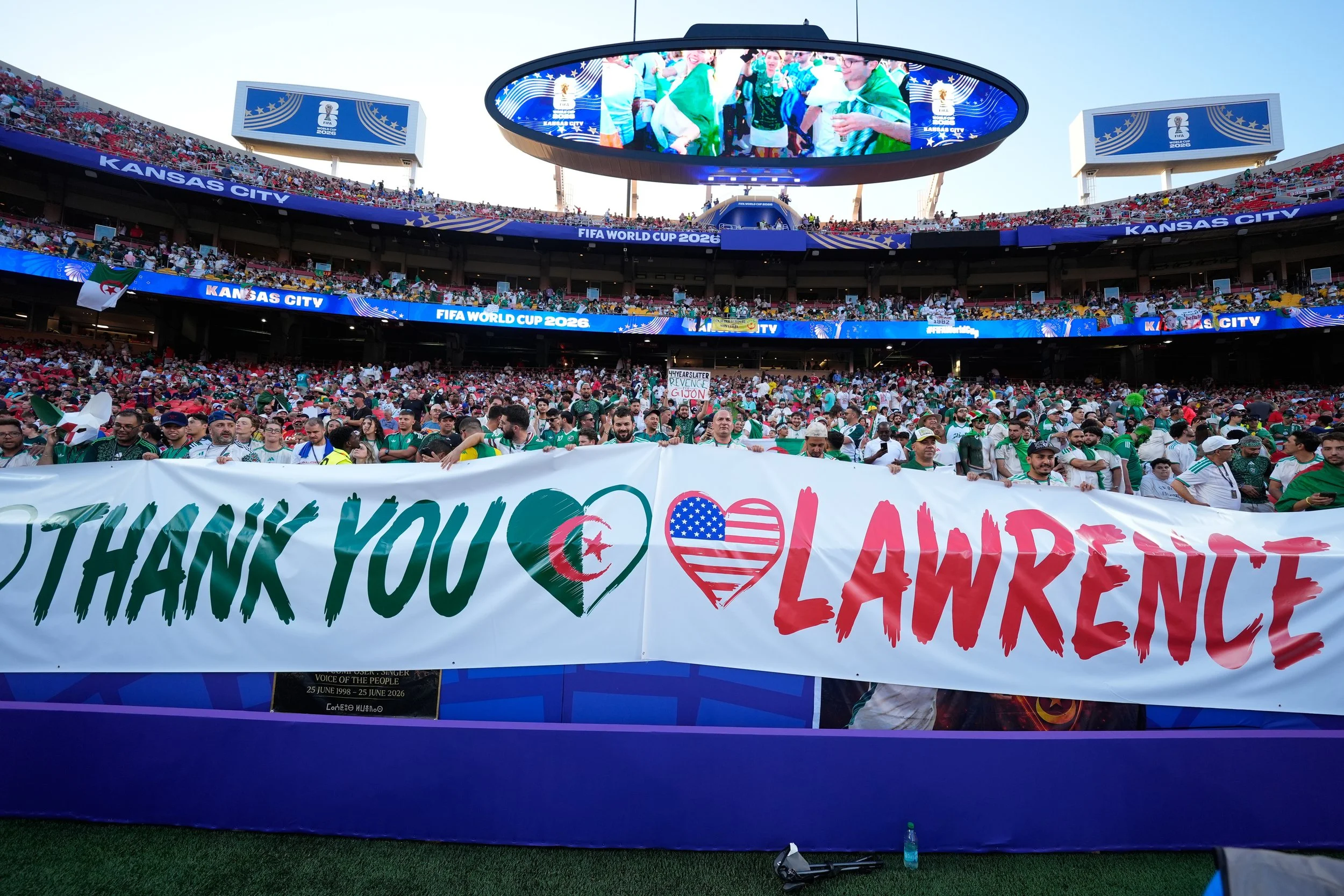
Wait what? This is the counterintuitive one, and it's worth sitting with. The United States — who you'll hear more from in just a second — was the biggest diplomatic flashpoint of the entire World Cup. But in the face of it all, the citizens of the United States really came out well here. Lawrence, Kansas — base camp of the Algerian team — became temporary Algerians, with flags raised by locals (or landscaped into the ground) and Algerian fans returning the favor with a banner of gratitude in their final group stage match. A German fan, traveling solo, chatted up Pennsylvania Governor Josh Shapiro and swapped stories about soccer fandom and Pennsylvania history. Everyone discovered the joy of vintage Americana institutions like Costco. The point is: When it comes down to the people-to-people interactions of the World Cup, Americans were able to put a lot of their political headlines and labels aside and show the world that we can be kind, interested, and welcoming. From a visitor's standpoint, the general sentiment that emerged was, in effect: “Crossing the border was stressful...but once I did, everyone I met here was welcoming.” Problem is, it's not just the citizens who represent the USA.
The Losers
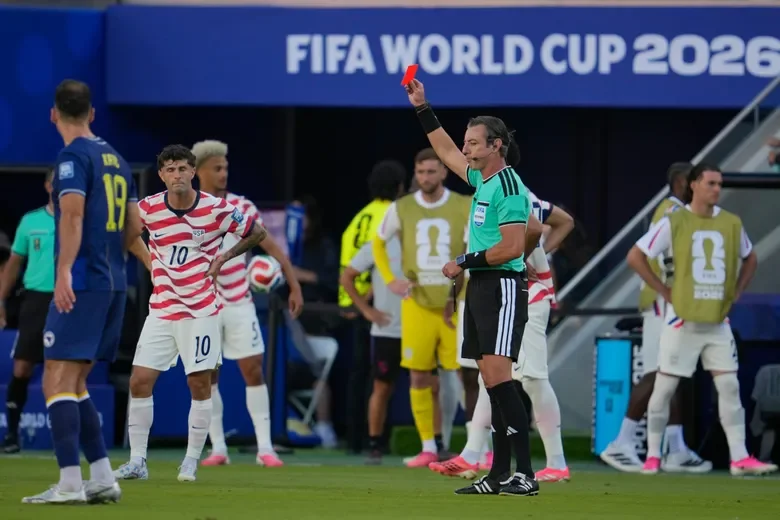
Photo Credit: Seattle Times
The United States
Overshadowing any of America's public goodwill was the red card/phone call incident. The U.S. got the marquee hosting prize — the most matches in the tournament, the final, and everything timed to land alongside the country's 250th anniversary. It's exactly the kind of platform sports diplomacy is built for: a chance to project openness and hospitality to a global audience of billions. But instead, what everyone will remember about America's participation in this tournament is the reversal of the red card for Folarin Balogun, which emerged seemingly at the request of the President Trump via a phone call to FIFA President Gianni Infantino...raising questions about favoritism — exactly the type of diplomatic involvement in sports you don't want to be defined by. The rest of the globe (which, as just covered, had been looking on with an air of "wow, America can actually be pretty nice!") turned on a dime and fell back to: "welp, they did that thing they do and lawyered up when something didn't go their way." It was a tough look for the U.S. (as was the ensuing demolition at the hands of Belgium). Oh — and there were ever-present questions regarding the fairness of treatment of the Iranian men's national team, while a FIFA referee from Somalia was denied entry to the country...and yet Thomas Partey — who was barred from Canada given that he awaits trial for sexual assault — was allowed in.
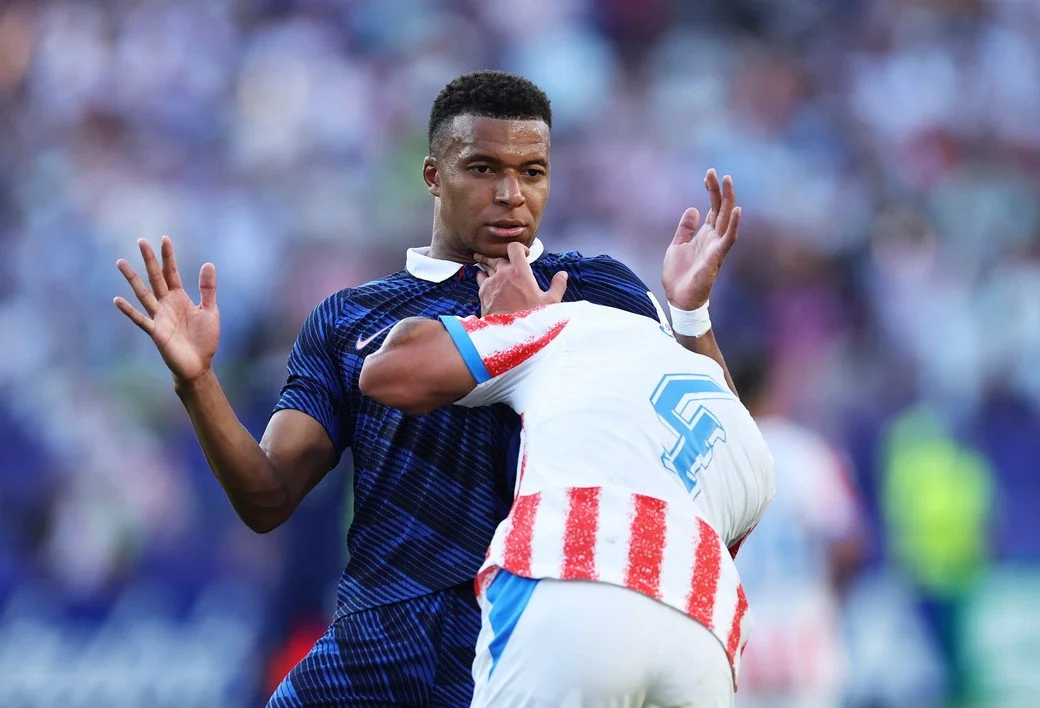
Photo Credit: POLITICO
Paraguay
Paraguay's players seemed to earn real credit for their run to the Round of 16 — the country's best World Cup showing in years — defeating powerhouse Germany along the way. But it all unraveled in their subsequent match against France, when effectively the entire team embraced the role of villains, trying to muddy up the game with tackles, flopping, and generally unsavory antics. Any remaining goodwill was then erased by a social media post from a sitting senator. After France eliminated Paraguay on a Mbappé penalty, Senator Celeste Amarilla published a racist tirade against the French captain, mocking his Cameroonian heritage and his upbringing. Mbappé fired back directly, calling her comments unworthy of her office; the French Football Federation announced plans to pursue a criminal complaint; and President Macron himself weighed in publicly in Mbappé's defense. Paraguay's own Senate leadership tried to contain the damage, insisting the remarks didn't reflect the country's values — but the episode had already gone global, and a second senator's follow-on comments about the incident kept it alive for days. It's a reminder that in the social media era, a single elected official can do more damage to a country's international image in one post (or phone call, depending on which country you're talking about).
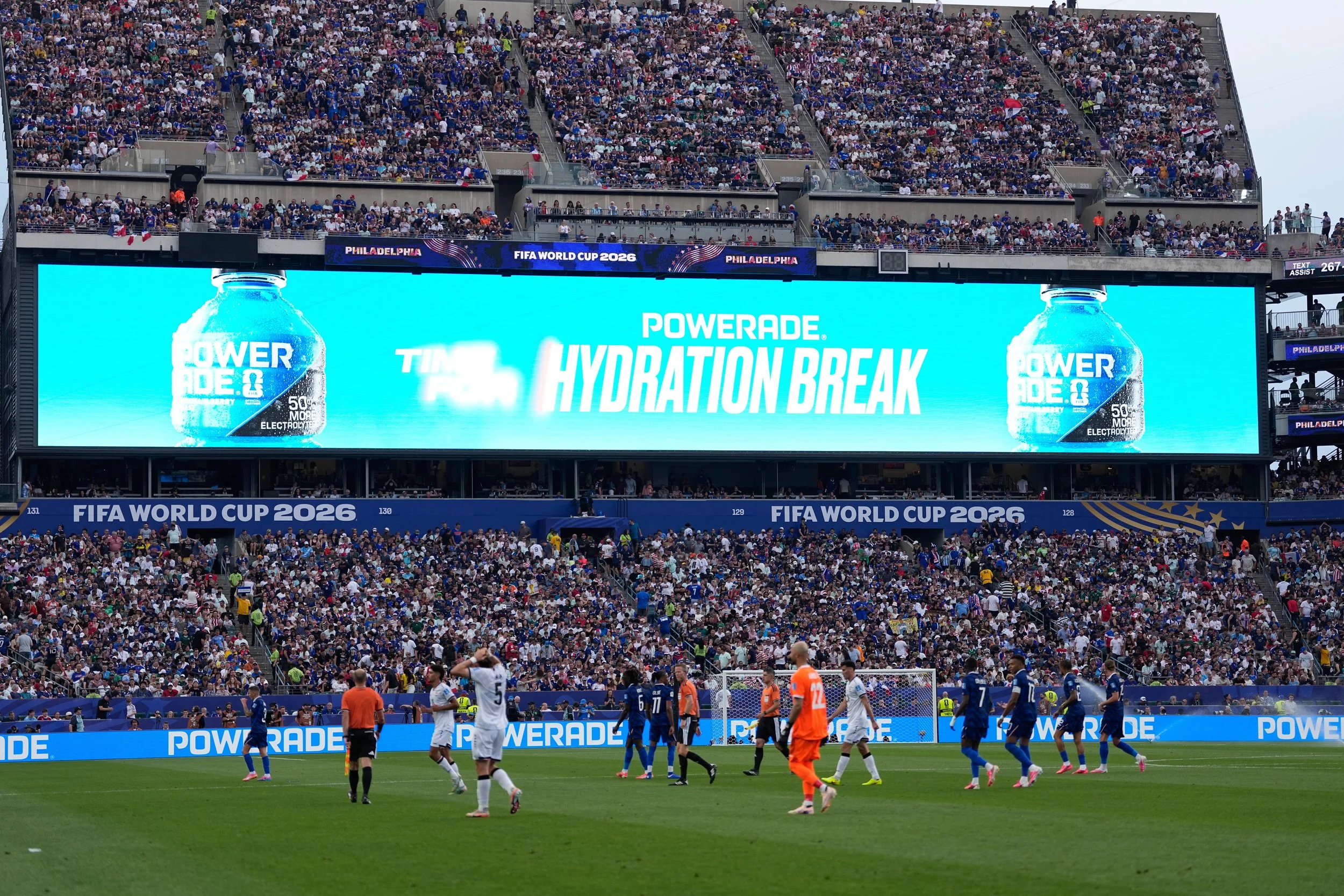
Photo Credit: WSLS
FIFA
Gosh, it just can't stay away from itself, can it? FIFA isn't a nation, but it's still the governing body of the world's game — and perhaps the least liked institution of any listed here. While it must be said that the tournament, logistically, went very well — minimal security issues, good pitches, weather contingency plans, etc — from a fan's perspective, it wasn't all that...well, fan-friendly. Ticket prices were the big headline starting way, way before the tournament, boxing out many locals from getting to see the tournament even in their hometown — and costing traveling fans their life savings just to get inside the stadium for a group match. Hydration breaks seemed to tick the box from a health standpoint given the heat of some matches...but now that FIFA has seen the dollar signs from the ad revenue generated during those little pauses, they're surely going to stay even when heat isn't a factor (four-quarter soccer, here we come). And reversing a red card at the request of a host nation? Hm.
In the end, no country fully controls its own World Cup story — it’s a combination of fans, players, and politicians. But now that the confetti has settled and the torch is passed to Spain/Portugal/Morocco, some lessons can be learned about general dos and don'ts of how to — and not to — represent your nation when the world is looking on.
Flag Football's Global Test Run
The original Riyadh location raised familiar questions about Saudi Arabia's use of major sports events to improve its international image. It was then relocated to Los Angeles with 12 days notice after security concerns surfaced from fallout of the U.S. and Israel launching attacks in nearby Iran…
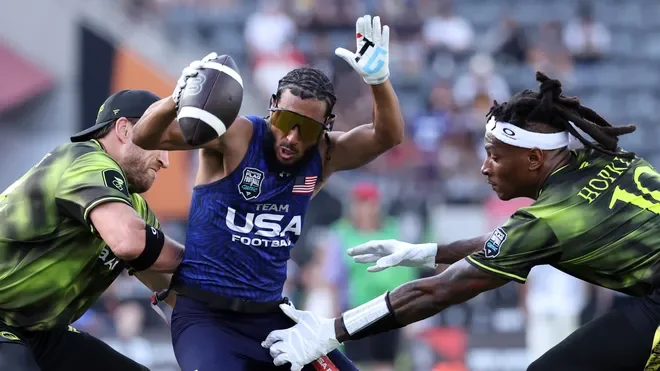
Team USA dominated the Flag Football Classic — which had to be moved from Riyadh to Los Angeles at the last minute, due to geopolitical concerns. (Photo from USA Today)
Guest article by Taylor Redick Wright
On March 21, the Fanatics Flag Football Classic gave fans and athletes an opportunity to preview Olympic flag football ahead of its 2028 debut. Organized as a partnership between Tom Brady, Fanatics, Fox Sports, and OBB Media, the event reflected the growing ecosystem around flag football that the NFL has invested heavily in building.
The original Riyadh location raised familiar questions about Saudi Arabia's use of major sports events to improve its international image. It was then relocated to Los Angeles with 12 days’ notice after security concerns surfaced from fallout of the U.S. and Israel launching attacks in nearby Iran, leading the U.S. Department of State to advise Americans to reconsider travel to Saudi Arabia. The relocation was managed, but it illustrated a challenge that extends beyond any single event. As the NFL pours resources into growing flag football globally, the sport is increasingly being showcased in geopolitical environments that nobody fully controls.
As a driver of American football's global growth, the NFL's international regular season play dates back to 2005, with the first game held outside of the U.S. in Mexico City. The NFL started its current International Series in October 2007, and this year, the League is scheduled to hold nine games across Melbourne, Rio de Janeiro, Paris, Mexico City, London, Munich, and Madrid. Supporting that footprint is a broader set of NFL initiatives, including the former European development league known as the World League of American Football, the African talent pipeline NFL Africa, the International Player Pathway for scouting and training international athletes, and the NFL FLAG program, which has distributed kits to students in Germany, Mexico, Canada, the United Kingdom, and China.
Central to the NFL's international programming is flag football, a non-contact version of the game that has grown significantly across genders and age groups, and is now played in over 100 countries. Its inclusion in the 2028 Olympic Games marks a significant milestone, one that will bring the sport to new audiences across the world and broaden the NFL's international presence further. The NFL is also hoping to have a few of its stars on the USA Olympic Flag Football Team...which might have hit a setback at this competition, as the professional flag football players dominated the NFL players, winning 82–27 across multiple games against teams featuring the likes of Joe Burrow, Saquon Barkley, and Stefon Diggs. But that's a question for down the road. For now, the League's combined expansion efforts reflect a broader shift toward building an international athletic pipeline and audience, and with that growth, the complexity of operating internationally only increases.
That an event celebrating flag football had to move cities less than two weeks out due to global tensions is a preview of the environment the NFL may be expanding into. The Classic featured a diverse roster of current and former NFL players, Team USA's flag football athletes, and other competitors, all of whom found themselves navigating a situation shaped by forces well outside the sport. As the NFL sends its players into more countries and more complex environments, understanding the political landscape of host locations and ensuring players are well informed will become an increasingly important part of operating internationally.
That challenge extends beyond events the NFL organizes directly. The Fanatics Flag Football Classic was not an NFL event, but the issues it surfaced should be of concern to the League regardless. A growing global footprint means growing exposure to a world the NFL cannot script, and learning to navigate that well will matter as much as any game played abroad.
If you’re interested in writing a guest article for CenterCircle, contact us.
Could Team USA’s WBC Loss to Italy Actually Be Good?
Major upsets have a strange power in sports. They generate emotion in people who otherwise wouldn't care — and in doing so, draw attention where interest was previously thin.
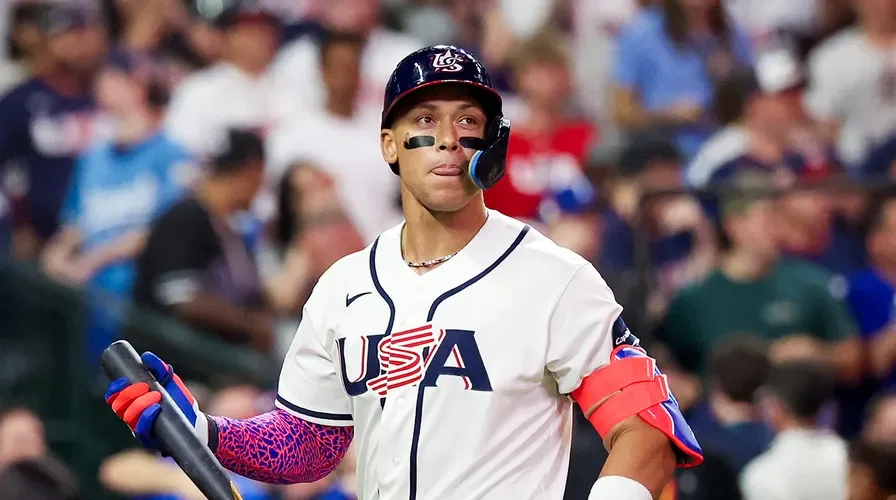
Aaron Judge grimaces after striking out to end the game. (Photo: FOX News)
Let's be upfront: Team USA should not be losing to Team Italy in baseball. The sport is, after all, what Americans proudly call their "Pastime." The USA developed it, refined it, exported it — and is expected to dominate it. On paper, the idea that Italy could take down America in the World Baseball Classic is a major L.
But now let's zoom out for a moment. There is a world in which this shocking loss has an unexpected upside.
Major upsets have a strange power in sports. They generate emotion in people who otherwise wouldn't care — and in doing so, draw attention where interest was previously thin. Think back to the famous moment when the United States men's soccer team shocked England at the 1950 FIFA World Cup. In Britain, that loss is known as something to forget. In America, it's known as the "Miracle on Grass." Most importantly, it sparked an interest in soccer. At the time, the sport barely registered in the American lexicon — but that unlikely victory planted a seed and prompted more Americans to consider that the global game might be something to pay attention to. A few generations later, and just about every American kid grows up playing youth soccer.
Could a similar phenomenon now happen in Italy — but with baseball?
There's a very good chance that little, if any, of Italy tuned into the game last night. Baseball simply isn't a popular sport there, and admittedly, most of the nation's WBC roster are actually Americans with Italian ancestry. (Shoutout Michael Lorenzen, Dom Canzone, and Vinny Pasquantino.) But nevertheless, they wear Italian colors. Italia is spelled across their jerseys. They celebrate home runs with shots of espresso. And their victory brought something priceless: visibility.
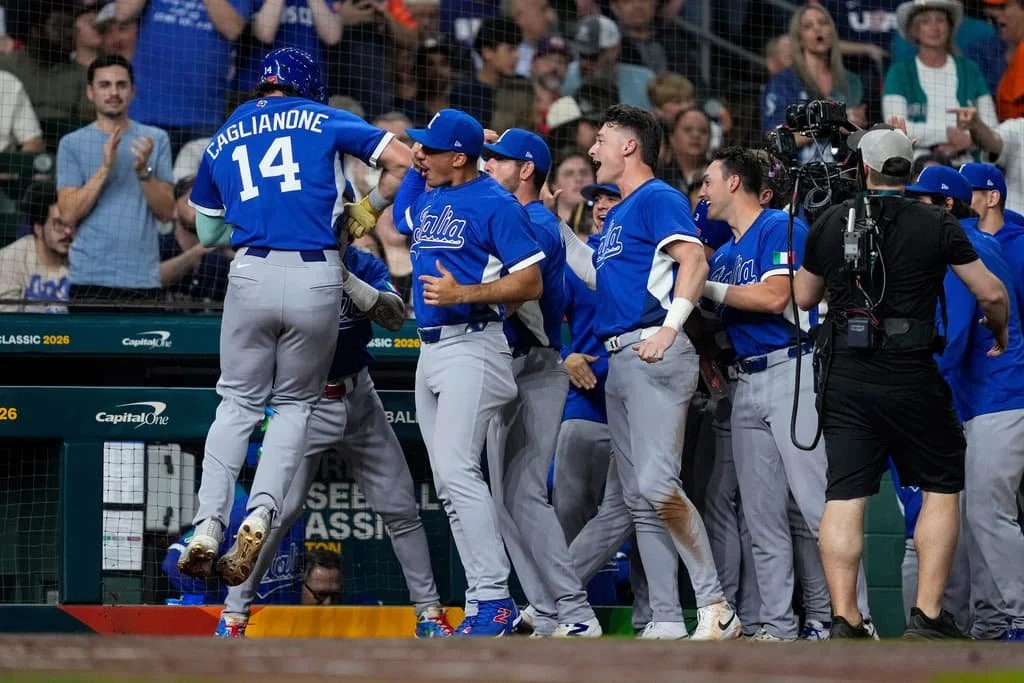
Team Italy celebrates after hitting a home run. (Photo Credit: World Baseball Network)
Suddenly, fans back in Italy who might never have cared about the WBC—or baseball in general—are now seeing headlines about a stunning upset by their team. It won't receive anywhere near the level of coverage as the next Serie A match, but it will nevertheless be in papers, circulate on social media, and get a few mentions on talk shows. That exposure will reach families, sports fans, and — perhaps most importantly — kids.
Somewhere in Italy today, a young sports fan may have seen the scoreline and thought: Wait, Italy plays baseball? That's a small realization that could be powerful. Maybe they stay up to tune in to Italy's next game (or games, if their current success continues). Maybe the next time they head outside with friends, they bring along a bat instead of yet another soccer ball. Maybe the Italian Baseball Softball Federation — led by the national team's coach, Francisco Cervelli — gets a few more clicks, and a local youth team gets a few more sign-ups.
Ironically, the long-term ripple effect could wind up benefiting the United States. Because as baseball spreads, so too does the cultural influence that surrounds it. The more people in countries like Italy who watch — if not play — the sport, the more people who learn about Major League Baseball, its iconic players, its classic teams, and absorb the pieces of American identity tied to the game. It’s a perfect moment for cultural exchange through sports...an indirect moment of sports diplomacy at hand.
That's the type of grassroots evangelism that global tournaments like the World Baseball Classic are designed to create. The goal is to pit the world's best against each other, yes, but also to spread the great game of baseball around the world.
So yes, losing to Italy stings. But if that defeat inspires a wave of new Italian interest in the game, the L might end up being a W down the road.
Charlie Smyth & the NFL’s Great Global Pipeline
Smyth’s journey to the league was unconventional. After years of successful play in the Gaelic Athletic Association (GAA), he got an opportunity in the NFL's International Player Pathway (IPP) Program in January 2024.
From Gaelic Goalposts to NFL Uprights
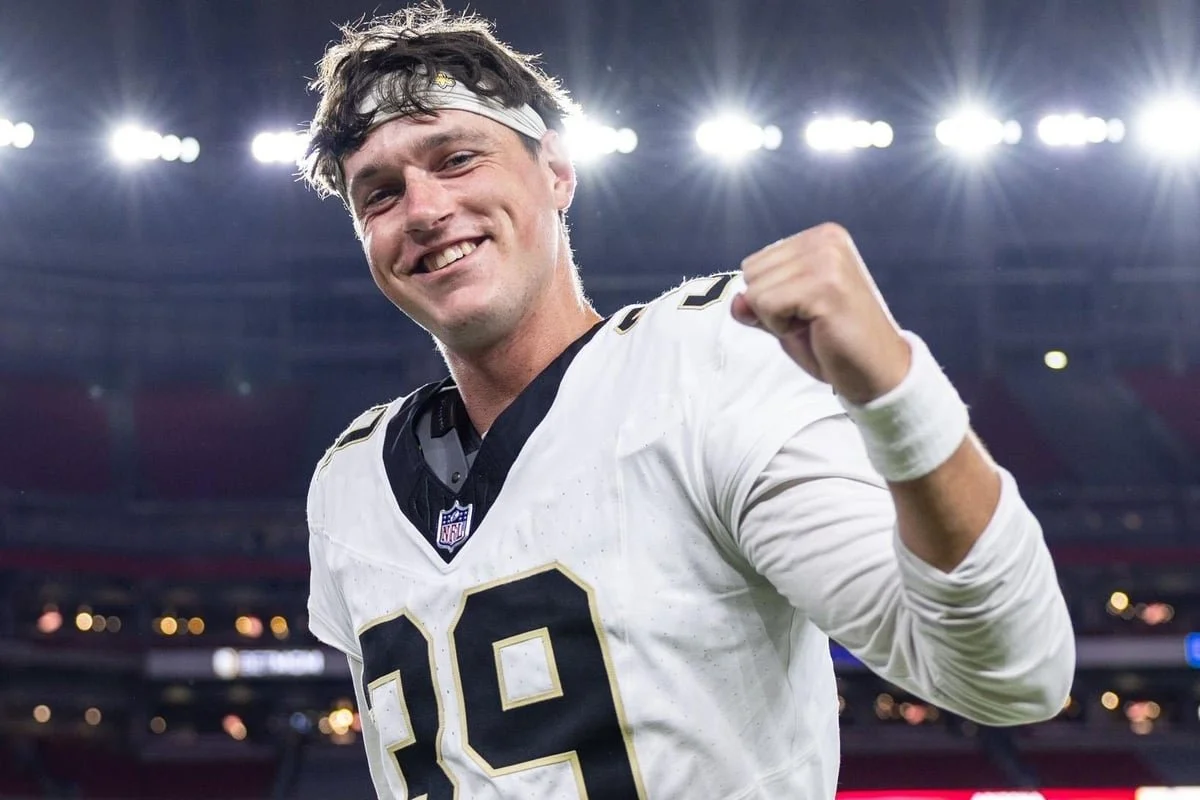
Charlie Smyth’s debut has already been covered by RTE and the BBC (Photo Credit: Newry)
When Charlie Smyth was 18, he sent an email to inquiries@NFL.com, pitching that his Gaelic Football skills would transfer over to kicking field goals. No one responded. But six years later, the Northern Irishman kicked his first career field goal as a professional — a 56-yarder on November 30, that brought the New Orleans Saints within striking distance of the Miami Dolphins late in the fourth quarter. To add the cherry on top of a debut performance, Smyth followed it up with a successful onside kick to give the Saints one more chance to win the game.
Smyth’s journey to the league was unconventional. After years of successful play in the Gaelic Athletic Association (GAA), he got an opportunity in the NFL's International Player Pathway (IPP) program in January 2024. Following an impressive showing at his pro-day, he signed a three-year deal with the Saints to become the first Gaelic football player to sign an NFL contract. Though waived during roster cuts in August and signed to the practice squad, his elevation and subsequent debut cemented his arrival — and solidified a key victory for the NFL’s global outreach.
Designed to provide non-American athletes — particularly those who did not play college football in the United States — a clearer path to the NFL, the International Player Pathway program has helped a number of athletes from different sports transition to American football. Founded in 2017, the program is a key part of the NFL’s long term global expansion strategy. Not only does it spread the league’s iconic brand beyond borders, but it establishes reliable systems for young athletes (and their families) to build a life around and offers the chance for people around the world to realistically imagine a career playing a sport that might not be popular in their country. Along with Smyth, notable IPP alumni include Eagles’ tackle Jordan Mailata (originally a rugby player from Australia) and Ravens’ defensive end C.J. Okoye, who grew up playing basketball in Nigeria.
It’s easy to see the program’s appeal for the NFL, as the elevation of players like Charlie Smyth gives the league authentic, deeply resonant links to new fanbases. The better they do, the more locals from their homeland will tune in to watch the sport, follow teams, and maybe buy a jersey.
But it also shows the need for sports diplomacy education. What happens when someone asks Charlie (or a teammate) a question about his native Northern Ireland and its relationship to Ireland? Or asks for his opinion on The Troubles? Or makes a comment that could easily be interpreted as offensive to someone whose family — and all those potential new fans — lived through them?
While the International Player Pathway (IPP) Program creates an excellent pipeline for attracting players from around the world, the increasing globalization of the NFL presents new challenges. As the league becomes more international, global political, social, and historical issues will inevitably become part of the conversation. NFL players are frequently asked to comment on such issues, and the IPP program will only increase the complexity of these demands on both the international players and their future teammates.
To best prepare these athletes, the NFL should incorporate an element of sports diplomacy education into the IPP program. This would help participants (and their teammates) understand, and potentially feel more comfortable commenting on, the international affairs that accompany their growing presence in the league.
NFL TikTok Shows Value of Sports Diplomacy
The premise was simple: a fun piece of content designed to drum up engagement from British or UK-based American football fans in advance of the Jaguars game against the Los Angeles Rams in Wembley Stadium.
Drawing A LINE THROUGH Deep-Seated Divides
Back in October, the NFL UK & Ireland posted a short video to TikTok, in which Jacksonville Jaguars running backs LeQuint Allen Jr. and Bhayshul Tuten were tasked with drawing a line on a map of the United Kingdom to denote, simply, where they thought the divide between North and South England is. The premise was simple: a fun piece of content designed to drum up engagement from British or UK-based American football fans in advance of the Jaguars game against the Los Angeles Rams in Wembley Stadium.
What the video inadvertently did, however, was shine the spotlight on England’s long-standing North-South divide, a phenomenon in British society and politics that marks a very real separation in the population’s political views, economic security, and even life expectancy. Allen Jr. and Tuten’s thought process on where to split the UK initially leaned on geographical assumptions — things like temperature and the urban-rural divide. But in their discussion, they noted that the South was likely “fancier” as well... an assumption that strikes at how, even for outside observers, this divide is perceived.
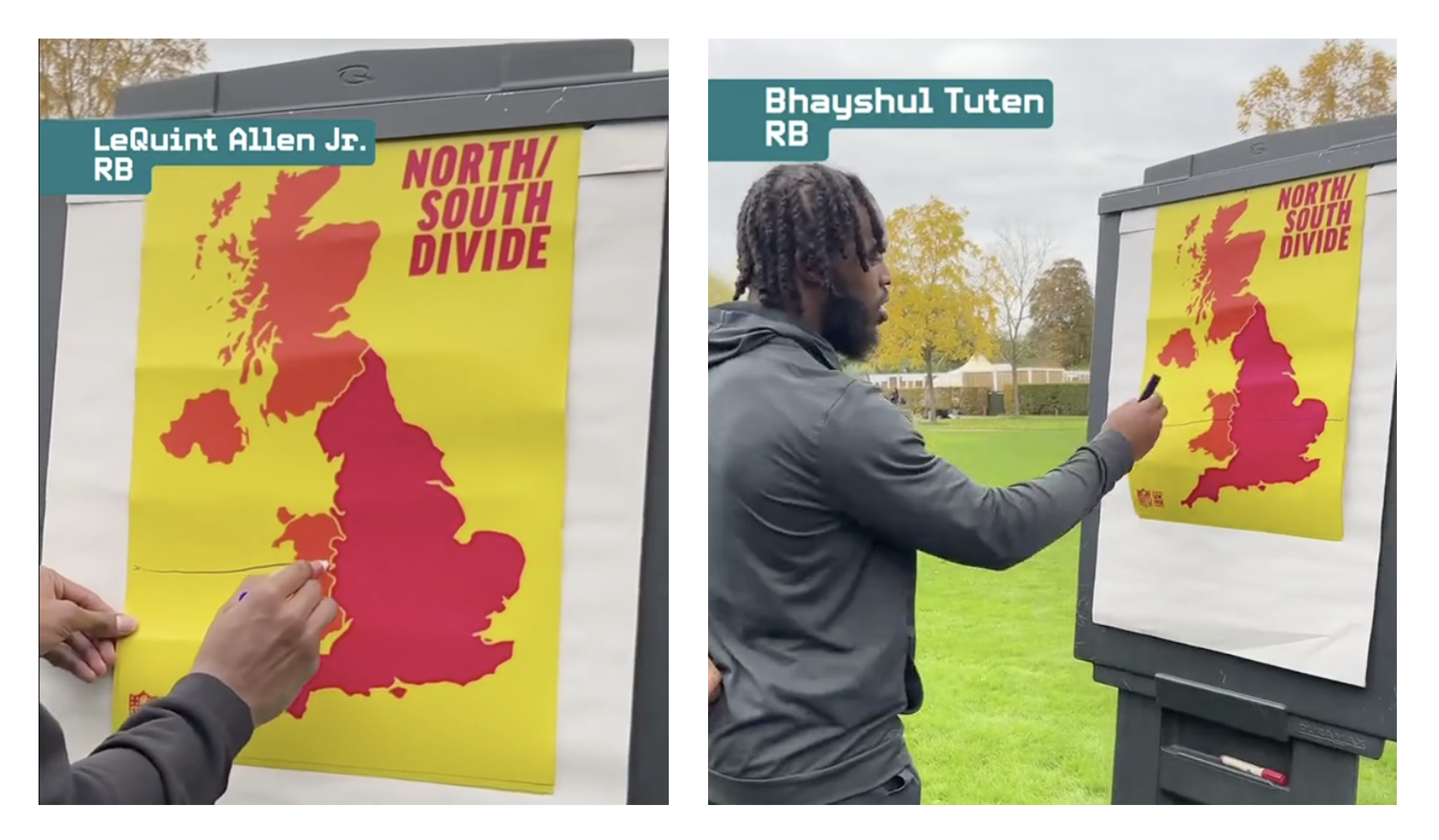
Of course, this was meant to be fun (and props to Allen Jr. and Tuten for participating). But it’s easy to see how the exercise itself could become precarious. England’s North-South divide is not something many Americans (let alone American athletes) historically know much about, let alone grasp the nuances of. A comment like “the South seems fancier” might feel harmless, but could drum up anger and isolate potential future fans.
Meanwhile, one could imagine a similar scenario taking place ahead of this week’s game between the Indianapolis Colts and Atlanta Falcons in Berlin. Splitting Germany brings quite the heavy historic weight; would fans react the same way to highlighting the consequences of decades of division between the former eastern and western halves? Would memories of the Berlin Wall or the continued economic disparities between east and west drive negative engagement? What if the athlete’s split was inaccurate?
Or what if, for the recent Pittsburgh Steelers vs. Baltimore Ravens game in Dublin, a similar map had been drawn of Ireland? What would the discourse be surrounding Northern Ireland (which, in the UK TikTok, was a disembodied island floating off the coast of Great Britain)?
Bringing it closer to home: Imagine the uproar from Americans if Manchester United stars included (or didn’t include!) Texas as a part of the American South.
As the NFL continues to push more and more into the European market, understanding these political and cultural nuances will be critical in generating long-term support and loyalty from fans. Fandom is fundamentally linked to community and identity. So, when international teams or leagues appear to be cultural outsiders — or, worse, demonstrate a lack of understanding regarding cultural or social differences — it makes it harder for fans to reward them with the same degree of support they give to their local club or team.
Investing in sports diplomacy matters in these moments. Instead of having professional athletes divide nations based on vibes, we could alternatively give them a healthy understanding of historic, cultural splits in the country at hand — and how an accurate (or inaccurate) drawing might be interpreted by locals they’re hoping will soon become their fans. A firm, dedicated grasp on this can help players, teams, and leagues leverage even fun little bits like TikToks to build bridges, rather than simply drawing dividing lines.
This world series is a diplomatic flashpoint
This 2025 World Series between the Los Angeles Dodgers and Toronto Blue Jays is primed to be more than just a baseball showdown. This best-of-seven clash pits a Canadian team against an American team at a particularly heated moment in US-Canadian relations... and it’s hard not to see the geopolitical undertones.
canadIAN FLAGS and america’s pastime
This 2025 World Series between the Los Angeles Dodgers and Toronto Blue Jays is primed to be more than just a baseball showdown. This best-of-seven clash pits a Canadian team against an American team at a particularly heated moment in U.S.-Canadian relations... and it’s hard not to see the geopolitical undertones.
It’s no secret that tensions between the two nations have escalated in recent months. President Trump's tariff threats and suggestions of Canadian annexation — referring to the country as the “51st State” — have stoked anger north of the border. Ottawa has pushed back firmly, with officials reaffirming that Canada is, quite literally, “not for sale.”
Against that backdrop, this World Series practically invites national symbolism. The Blue Jays, Canada’s lone Major League Baseball team, represent sovereignty and self-determination — holding their own in America’s Pastime. The Dodgers, meanwhile, embody the archetype of powerful, wealthy, big-brother America. Wielding MLB’s largest payroll, they’ve outmuscled their competitors financially yet again. They won it all last year and have cakewalked through the playoffs this year. They’re from Hollywood, for crying out loud.
For Canadian fans, a Blue Jays victory would be more than just a championship banner. It would serve as symbolic push-back — an in-your-face assertion of national pride and defiance of an overwhelming, powerful neighbor. The cheers at Rogers Centre and the social media discourse surrounding the games will be an undeniable, if unofficial, expression of this emotion. We might see some poignant TV commercials, clever-but-angry signs held up in the crowd... you name it.

The Toronto Blue Jays will likely represent more than just the American League in this World Series. (Photo Credit: Daily Hive)
But of course, within this tension lies opportunity. In the spirit of sports diplomacy, these nations — who share the world’s longest undefended border and a massively integrated economy‚ could leverage the World Series as a chance to reconnect through shared passion of a great game. Will we see forward-looking ads, gestures of goodwill, or friendly banter between diplomats? Maybe... Maybe not.
Oh, and there’s another factor at play here: Shohei Ohtani is on the Dodgers. The two-way legend doesn’t have a role in this Canadian/American dynamic, of course… but his mere presence — and other international stars like Yoshinobu Yamamoto and Rōki Sasaki — will ensure that millions of fans in Japan and across East Asia will tune in. This will expose a wider audience to not only great baseball, but the subtle narratives of North American politics. This World Series will indeed be watched by the world. Whether it notices simmering tensions remains to be seen.
For most of us, it will still be about baseball — and we’ll be hoping for a fun, competitive series. But as Canadians continue to boycott American goods in the face of tariff threats and demeaning discourse, it could easily feel less like fun competition... and more like Canada’s sole MLB team has the chance to emphasize national emotions by having Canada crowned champions of America’s Pastime.